
Mail ID
drkrutishah93@gmail.com
Call Now
+91 8779778567
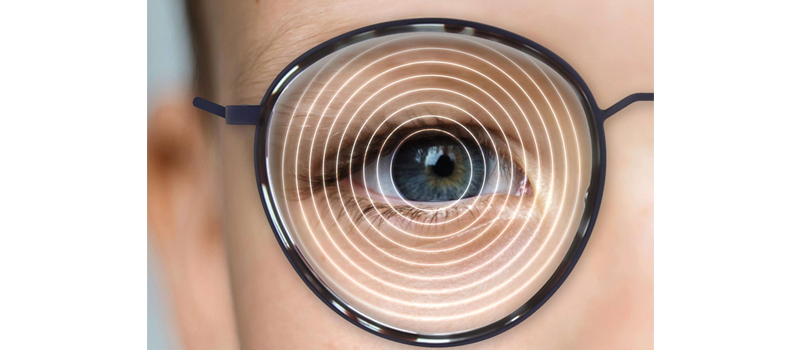
Myopia, also known as short-sightedness, is a common eye condition in which distant objects appear blurry while nearby objects can usually be seen clearly. Myopia often develops during childhood and may progressively increase as the child grows.
Myopia control refers to treatments and strategies designed to slow down the progression of myopia and reduce the risk of developing high myopia and related eye complications in the future.
Regular eye examinations are important for children with myopia to monitor changes in their vision and determine the most suitable myopia-control approach.
- Regular eye examinations
- Myopia progression monitoring
- Specialised myopia-control lenses
- Orthokeratology in suitable cases
- Low-dose atropine therapy when prescribed
- Healthy outdoor activity and visual habits
The appropriate method depends on the child's age, eye health, rate of myopia progression and individual visual needs. Early assessment and regular follow-up can help manage progressive myopia effectively.
How is Myopia Control Done?
During a myopia-control consultation, the eye specialist evaluates the child's vision, refractive error and overall eye health. The progression of myopia is assessed through regular eye examinations and, when required, measurements of the eye.
Depending on the individual requirements, the eye specialist may recommend specialised spectacle or contact lenses, orthokeratology, or prescribed low-dose atropine eye drops. Lifestyle measures such as spending more time outdoors and taking regular breaks during prolonged near work may also be recommended.
Since myopia can change as children grow, regular follow-up examinations are important to monitor progression and adjust the treatment plan when necessary.